
7 Major Risks of Not Getting a Dryer Vent Cleaning
A Maintenance Task You Cannot Afford to Skip
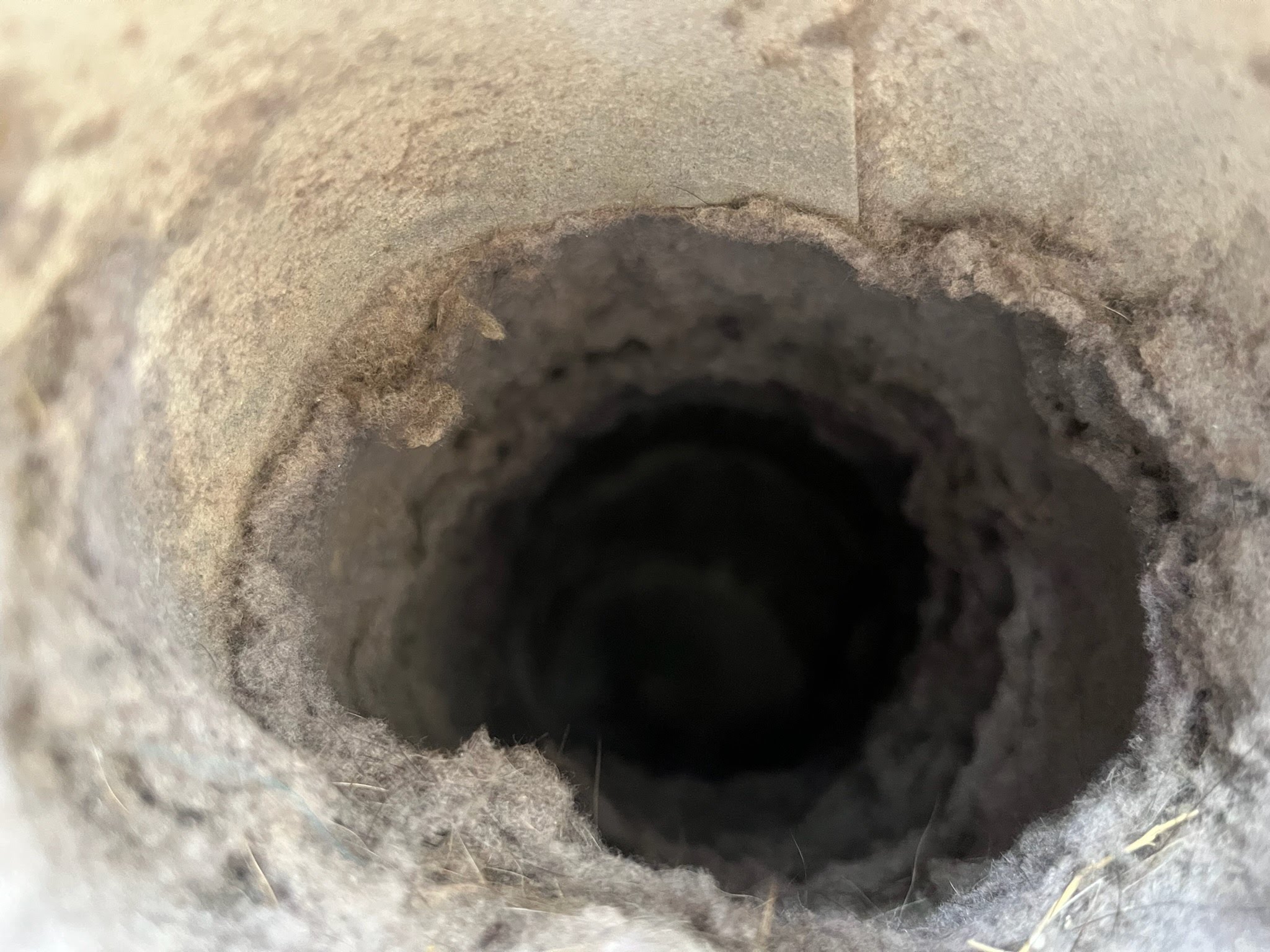
Your clothes dryer is one of the hardest-working appliances in your home, and its exhaust vent is one of the most overlooked maintenance items. The vent duct that carries hot, moist air and lint from the dryer to the outside of your home gradually accumulates lint buildup that restricts airflow and creates conditions for several serious problems.
Here are seven major risks of neglecting dryer vent cleaning, along with the data that demonstrates why this maintenance task deserves a place on every homeowner’s annual checklist — right alongside your annual chimney sweep.
1. Fire Hazard
This is the most serious risk and the most compelling reason to keep your dryer vent clean. According to the National Fire Protection Association (NFPA), dryers and washing machines were involved in an estimated 15,970 home structure fires per year between 2010 and 2014. These fires resulted in annual averages of 13 civilian deaths, 440 civilian injuries, and $238 million in direct property damage.
The NFPA data identifies failure to clean the dryer as the leading factor in one-third (33 percent) of these fires. Lint is highly combustible. When it accumulates inside the vent duct and around the dryer’s heating element, it needs only sufficient heat to ignite. A restricted vent causes the dryer to run hotter than designed, and the combination of excessive heat and combustible lint creates the conditions for ignition.
The U.S. Fire Administration reports that dryer fires peak during the fall and winter months when dryer use is highest. January is consistently the month with the most dryer-related fires.
2. Increased Energy Consumption
When lint restricts airflow through the vent, your dryer must work harder and run longer to dry each load of laundry. Industry estimates suggest that a clogged dryer vent can increase energy consumption by up to 30 percent. For a household that runs its dryer five to seven times per week, this translates to a meaningful increase in monthly utility costs.
A dryer that should complete a cycle in 45 minutes may take 60, 75, or even 90 minutes when the vent is restricted. Every additional minute of run time consumes electricity or gas. Over the course of a year, the cumulative energy waste from a clogged vent can significantly exceed the cost of an annual professional cleaning.
3. Excessive Wear on Your Dryer
A dryer operating against a restricted vent is under constant mechanical stress. The motor works harder to push air through the clogged duct. The heating element cycles more frequently as the thermostat struggles to regulate temperature in an airflow-restricted environment. The drum bearings, belt, and other mechanical components endure more wear per cycle.
The result is a shortened appliance lifespan. A dryer that should last 10 to 15 years may fail in 5 to 7 years if the vent is chronically restricted. Replacing a dryer costs $500 to $1,500 or more, making the $100 to $200 cost of annual vent cleaning a sound investment in appliance longevity.
4. Carbon Monoxide Poisoning
This risk applies specifically to gas-powered dryers. A gas dryer burns natural gas or propane to produce heat, and the combustion process generates carbon monoxide as a byproduct. Under normal conditions, these combustion gases are safely vented to the outside through the dryer exhaust duct. When the vent is restricted, exhaust gases can back up into the laundry room and enter the living space.
Carbon monoxide is odorless and colorless, making it impossible to detect without a functioning CO detector. The U.S. Consumer Product Safety Commission (CPSC) recommends that every home with gas appliances have carbon monoxide detectors on each level of the home. The CPSC also emphasizes proper venting and maintenance of all gas appliances, including dryers, as a primary prevention measure.
Symptoms of carbon monoxide exposure include headaches, dizziness, nausea, confusion, and fatigue. Prolonged exposure at high concentrations can be fatal. If you have a gas dryer, keeping the vent clear is a direct measure to prevent CO from accumulating in your home.
5. Mold and Mildew Growth
A properly functioning dryer vent expels hot, moisture-laden air to the exterior of the home. When the vent is restricted, that moisture has nowhere to go. It can condense inside the vent duct, in the wall cavity through which the duct passes, or back into the laundry room itself.
Persistent moisture in enclosed spaces creates ideal conditions for mold and mildew growth. Mold in wall cavities is particularly problematic because it can spread extensively before becoming visible, potentially affecting indoor air quality and requiring costly remediation. The Environmental Protection Agency (EPA) identifies excess moisture as the primary factor in indoor mold growth and recommends proper ventilation of all moisture-generating appliances.
6. Prolonged Drying Times
This is often the first symptom homeowners notice, though many attribute it to the dryer itself rather than the vent. When clothes consistently require two cycles to dry, or when a load that used to dry in 45 minutes now takes over an hour, the most likely cause is restricted airflow in the vent, not a failing dryer.
Prolonged drying times are more than an inconvenience. They increase energy consumption (see risk number 2), accelerate wear on your clothing from extended tumbling and heat exposure, and reduce the overall capacity of your laundry routine. Fabrics subjected to extended high heat are more likely to shrink, fade, and develop wear patterns.
7. Warranty and Insurance Complications
Most dryer manufacturers specify regular vent cleaning as a maintenance requirement in their warranty terms. If a dryer fails prematurely and the manufacturer determines that the vent was not properly maintained, the warranty claim may be denied.
Similarly, homeowner insurance policies typically require reasonable maintenance of appliances and home systems. If a dryer fire occurs and an investigation determines that the vent was clogged with lint, the insurance company may dispute or deny the claim on the grounds that the homeowner failed to perform basic maintenance.
Maintaining a record of annual professional vent cleaning provides documentation that you have met your maintenance obligations should a warranty or insurance claim become necessary.
How to Protect Your Home
The solution to all seven of these risks is straightforward: have your dryer vent professionally cleaned at least once per year. The NFPA and the U.S. Fire Administration both recommend annual cleaning as the standard for residential dryer vents.
Between professional cleanings, you can reduce lint accumulation by cleaning the lint screen before or after every load, periodically checking the exterior vent flap to confirm it opens during dryer operation, using rigid or semi-rigid metal duct instead of flexible vinyl or foil duct, and keeping the area around the dryer free of lint and clutter.
Friendly Fire LLC provides professional dryer vent cleaning throughout the St. Louis metro area. Call (314) 322-7122 to schedule your annual cleaning and eliminate these risks from your home.
Frequently Asked Questions
How often should dryer vents be cleaned?
Can I clean my dryer vent myself?
How long does a dryer vent cleaning take?
Need Chimney Service?
Friendly Fire serves the greater St. Louis area. Call us today or schedule online.