
Chimney Sweeping Guide: Prevent Fires, Improve Efficiency, and Ensure Home Safety
Why Chimney Sweeping Is a Necessity, Not a Luxury
A fireplace adds warmth, comfort, and value to your home. But every fire you burn sends combustion gases, smoke, and particulate matter up through your chimney flue. Over time, these byproducts leave behind a residue called creosote that coats the interior walls of the flue. Without regular professional removal, this buildup creates serious risks to your home and your family’s safety.
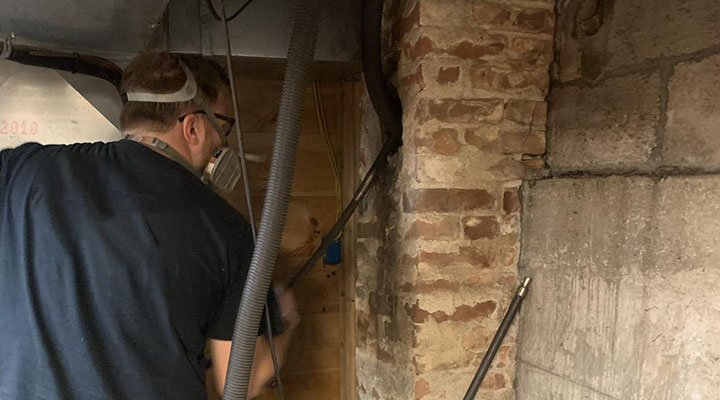
Chimney sweeping is the process of removing creosote, soot, ash, and debris from the interior of the chimney flue, firebox, smoke shelf, and damper. It is one of the most important maintenance tasks for any home with a fireplace, wood stove, or other solid-fuel heating appliance.
A thorough chimney inspection should always accompany a sweep to assess the condition of the flue liner, crown, and masonry.
What Is Creosote and Why Is It Dangerous?
Creosote is a dark, combustible substance produced when wood burns incompletely. It exists in three stages:
- Stage 1 is a light, flaky or dustite soot that is relatively easy to remove with standard chimney brushes.
- Stage 2 is a denser, shiny, tar-like coating that adheres firmly to the flue liner and requires more aggressive removal techniques.
- Stage 3 is a thick, hardened, glazed deposit that is extremely difficult to remove and is the most dangerous form. Stage 3 creosote can ignite at temperatures as low as 451 degrees Fahrenheit, well within the range of a normal fireplace fire.
The Chimney Safety Institute of America (CSIA) identifies creosote buildup as the primary cause of chimney fires in the United States. A chimney fire occurs when accumulated creosote inside the flue ignites, producing intense heat that can crack flue tiles, damage the chimney structure, and in severe cases, spread to the home itself.
Six Reasons to Keep Your Chimney Swept
1. Prevent Chimney Fires
This is the most critical reason. The National Fire Protection Association (NFPA) reports that failure to clean chimneys and flues is a leading factor in home heating fires. Removing creosote eliminates the fuel source for a chimney fire.
2. Improve Heating Efficiency
A clean chimney draws properly, allowing your fire to burn more efficiently. When creosote and soot restrict the flue opening, airflow is reduced, the fire receives less oxygen, and more heat energy is wasted. A clean flue means a better-burning fire and more heat delivered to your home.
3. Prevent Carbon Monoxide Poisoning
Carbon monoxide (CO) is a colorless, odorless gas produced by the combustion of wood, gas, and other fuels. A blocked or restricted chimney can cause combustion gases, including carbon monoxide, to back up into your living space instead of venting safely outside. The Centers for Disease Control and Prevention (CDC) reports that unintentional carbon monoxide poisoning kills more than 400 Americans each year. Keeping the flue clear is a direct safeguard against this hazard.
4. Extend the Life of Your Chimney
Creosote is acidic and corrosive. Over time, it attacks the mortar, brick, and flue liner inside your chimney, accelerating deterioration. When this damage becomes visible, masonry repair or tuckpointing is needed to restore the chimney’s structural integrity. Regular removal of creosote reduces this corrosive exposure and helps your chimney last longer.
5. Ensure Proper Ventilation
A chimney serves as the exhaust system for your fireplace. When it is restricted by buildup or blockages such as animal nests, leaves, or debris, smoke and gases cannot exit the home properly. This results in smoke backing up into your living space, unpleasant odors, and reduced air quality.
6. Meet Insurance and Code Requirements
Many homeowner insurance policies require regular chimney maintenance as a condition of coverage. If a chimney fire occurs and the insurance company determines that the chimney was not properly maintained, a claim may be denied. Additionally, the NFPA Standard 211 requires annual chimney inspection for all homes with fireplaces or solid-fuel heating appliances.
How Often Should You Have Your Chimney Swept?
The CSIA and NFPA both recommend that chimneys be inspected at least once per year and cleaned as needed. For most households that use their fireplace regularly during the heating season, this means an annual sweep. The best time to schedule your chimney sweep is in the late summer or early fall, before the heating season begins. This ensures your chimney is clean and safe before you light the first fire of the year.
Factors that may require more frequent sweeping include:
- Burning unseasoned or green wood, which produces more creosote than properly dried wood
- Burning fires at low temperatures with restricted airflow, which increases creosote production
- Using the fireplace as a primary or supplemental heat source with daily fires throughout the winter
- Having a chimney with a long, complex flue run that provides more surface area for creosote accumulation
Hiring a Professional Chimney Sweep
Chimney sweeping is a skilled trade that requires specialized equipment, training, and knowledge of chimney construction and fire safety. When selecting a chimney sweep, look for the following qualifications:
Insurance. A professional chimney sweep should carry general liability insurance to protect your home in the event of accidental damage during the service. Ask for proof of insurance before work begins.
Professional credentials. The CSIA offers a Certified Chimney Sweep credential that requires passing an examination on chimney construction, maintenance, and fire safety. The National Chimney Sweep Guild (NCSG) is a trade organization that promotes professionalism and continuing education in the industry. Working with credentialed professionals provides an added layer of assurance.
Transparent pricing. A reputable chimney sweep provides a clear quote before beginning work. Be cautious of companies that offer extremely low initial prices and then add charges once they begin the job.
References and reviews. Check online reviews and ask for references from previous customers in your area.
What Does a Chimney Sweep Cost?
In the St. Louis metro area, professional chimney sweeping typically costs between $150 and $350 for a standard single-flue chimney. The cost varies based on the condition of the chimney, the amount of buildup present, the type of fireplace, and the accessibility of the flue. Chimneys with heavy Stage 2 or Stage 3 creosote buildup may require additional treatment at higher cost.
This is a modest investment compared to the potential cost of a chimney fire, which can cause thousands or tens of thousands of dollars in structural damage, or the incalculable cost of a carbon monoxide incident.
Take Action Before the Heating Season
If your chimney has not been swept in the past 12 months, now is the time to schedule service. Do not wait until the first cold night when you want a fire. Schedule your annual chimney sweep during the late summer or early fall when availability is best and you have time to address any issues the sweep reveals.
Friendly Fire LLC provides professional chimney sweeping throughout the St. Louis metro area, serving homeowners within a 50-mile radius of Woodson Terrace, MO. Call (314) 322-7122 to schedule your chimney sweep.
Frequently Asked Questions
How often should I have my chimney swept?
What are the signs I need a chimney sweep?
What does a chimney sweep cost in St. Louis?
Need Chimney Service?
Friendly Fire serves the greater St. Louis area. Call us today or schedule online.