Understanding Chimney Inspections
A chimney inspection is a systematic evaluation of your chimney system’s condition, safety, and functionality. The National Fire Protection Association (NFPA) Standard 211 requires that chimneys be inspected at least once per year, regardless of how often you use your fireplace. Inspections identify damage, deterioration, blockages, and code violations before they create safety hazards or lead to expensive repairs.
The Chimney Safety Institute of America (CSIA) defines three levels of inspection, each suited to different situations and providing increasing degrees of thoroughness.
The Three Levels of Chimney Inspection
Level I Inspection
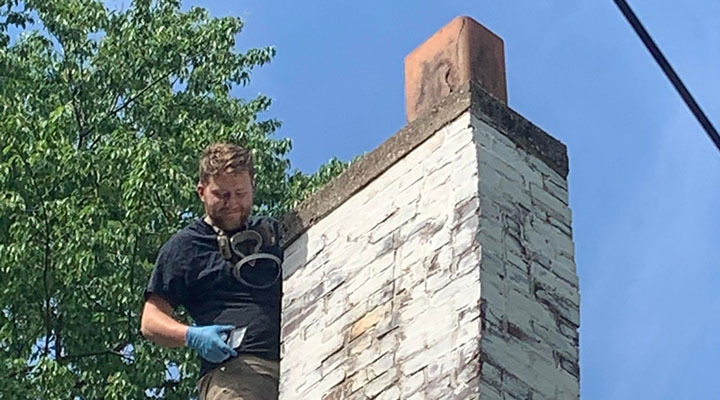
A Level I inspection is the standard annual inspection recommended for chimneys that have been in regular service with no changes to the system. During a Level I inspection, the technician examines all readily accessible portions of the chimney exterior and interior. This includes the firebox, the damper, the smoke chamber, and the visible portions of the flue liner, as well as the exterior chimney structure, the crown, and the cap.
A Level I inspection verifies that the chimney is structurally sound, free of obstruction, and has the correct clearances from combustible materials. This is the appropriate inspection level for routine annual maintenance.
Level II Inspection
A Level II inspection includes everything in a Level I inspection plus a more detailed examination of accessible areas of the attic, crawl space, and basement where the chimney passes through or adjacent to the structure. A Level II inspection also involves a video scan of the interior of the flue using specialized camera equipment, which allows the technician to identify cracks, gaps, deterioration, and other damage that cannot be seen with the naked eye.
A Level II inspection is required in the following situations:
- Buying or selling a home. Mortgage lenders and home inspectors frequently require a Level II chimney inspection as part of the home sale process.
- After a chimney fire. Even a small chimney fire can damage the flue liner and compromise the chimney’s structural integrity.
- After a severe weather event such as an earthquake, tornado, or significant storm that may have caused structural damage.
- When changing fuel types or making modifications to the fireplace or chimney system.
- When relining a chimney or adding a new appliance to an existing flue.
Level III Inspection
A Level III inspection is the most invasive and is only performed when a Level I or Level II inspection reveals a serious hazard that cannot be fully evaluated without access to concealed areas. A Level III inspection may involve the removal of chimney components, interior wall coverings, or other building materials to access and evaluate hidden portions of the chimney structure.
Level III inspections are uncommon and are only recommended when there is evidence of significant structural damage or a concealed defect that poses an immediate safety concern.
Common Issues Found During Chimney Inspections
Chimney inspections in the St. Louis area frequently reveal problems caused by the region’s climate. Missouri winters bring repeated freeze-thaw cycles that accelerate deterioration of mortar joints, chimney crowns, and brick surfaces. Common findings include:
- Cracked or deteriorated flue liners. Clay tile liners, common in older St. Louis homes, can crack from thermal stress or moisture penetration, allowing heat and combustion gases to reach combustible framing.
- Damaged chimney crowns. The crown is the cement or mortar cap at the top of the chimney. Cracks in the crown allow water to enter the chimney structure, causing progressive damage from the top down.
- Deteriorated mortar joints. Eroded mortar between bricks weakens the chimney structure and creates pathways for water infiltration.
- Blocked flues. Animal nesting materials, leaves, broken flue tiles, and excessive creosote buildup can obstruct the flue and prevent proper venting.
- Missing or damaged chimney caps. A missing cap allows rain, snow, animals, and debris to enter the flue, accelerating deterioration and creating blockages.
- Improper clearances. Combustible materials such as wood framing, insulation, or roofing materials that are too close to the chimney can create a fire hazard.
Why Inspections Matter for St. Louis Homeowners
Many homes in the St. Louis metro area were built in the early to mid-twentieth century with original masonry chimneys. These chimneys have served decades of heating seasons and have been subjected to the cumulative effects of moisture, temperature extremes, and normal wear. Even a chimney that appears sound from the outside may have internal damage that only a professional inspection can reveal.
Regular inspections catch small problems before they become major structural failures. A cracked flue tile identified during a routine Level I inspection might cost a few hundred dollars to repair. Left undetected, that same crack can lead to a chimney fire or carbon monoxide leak that threatens your family’s safety and results in thousands of dollars in damage.
Schedule Your Chimney Inspection
Friendly Fire LLC provides Level I and Level II chimney inspections throughout the St. Louis metro area. We serve homeowners within a 50-mile radius of our home base in Woodson Terrace, MO. Our technicians carry proper insurance and provide clear, honest assessments of your chimney’s condition with no pressure to purchase unnecessary services. Call (314) 322-7122 to schedule your inspection.