
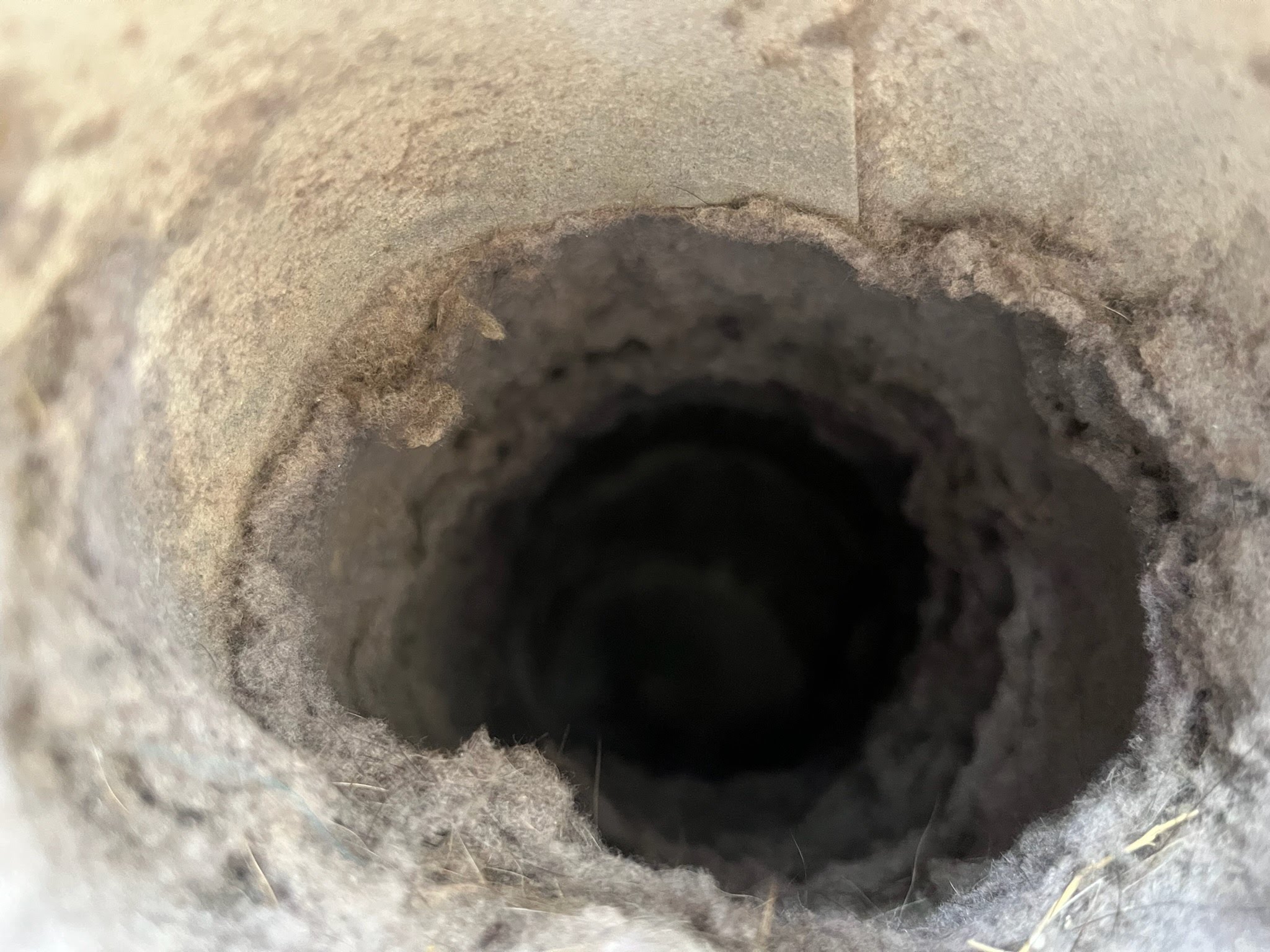
The Hidden Danger in Your Laundry Room
Most homeowners think of their dryer as a low-risk appliance. In reality, clogged dryer vents are one of the most common and preventable causes of house fires in the United States. The National Fire Protection Association (NFPA) reports that dryers and washing machines were involved in an estimated 15,970 home structure fires per year between 2010 and 2014, resulting in annual averages of 13 deaths, 440 injuries, and $238 million in property damage. The leading cause in one-third (33 percent) of these fires was failure to clean the dryer vent.
Your dryer’s lint screen catches most of the lint produced during each cycle, but a significant amount passes through the screen and accumulates inside the vent duct that runs from the back of your dryer to the exterior of your home. Over months and years, this lint builds up and restricts airflow. Lint is highly flammable, and when combined with the high temperatures generated by the dryer’s heating element and reduced airflow, the conditions for ignition are present.
How Dryer Vents Become Clogged
Every load of laundry produces lint. Your dryer’s lint screen captures most of the lint generated during a drying cycle, but the lint that passes through accumulates inside the exhaust duct. This lint accumulates along the entire length of the vent, with the heaviest buildup occurring at bends, joints, and connection points. Longer vent runs and those with multiple turns accumulate lint faster because the exhaust air slows down at each change in direction.
Other factors that accelerate clogging include crushed or kinked flexible duct behind the dryer, use of ribbed vinyl or foil transition hoses instead of smooth rigid or semi-rigid metal duct, bird or rodent nesting in the exterior vent hood, and washing heavy-lint items such as towels, flannel, and pet bedding.
Signs Your Dryer Vent Needs Cleaning
Pay attention to these warning signs that indicate restricted airflow in your dryer vent:
- Clothes take noticeably longer to dry or require multiple cycles to dry completely.
- The dryer or your clothing feels unusually hot at the end of a cycle.
- A burning smell is present when the dryer is running. This is an urgent warning sign that requires immediate attention.
- Lint is visible around the dryer door seal or collects on clothing after drying.
- The laundry room feels humid or warmer than usual when the dryer is running.
- The exterior vent flap does not open when the dryer is operating, indicating blocked airflow.
- It has been more than 12 months since the vent was last professionally cleaned.
The Professional Cleaning Process
A professional dryer vent cleaning begins with a visual inspection of the vent system, including the connection at the dryer, the duct routing, and the exterior termination point. The technician then disconnects the duct from the dryer and uses specialized rotary brush equipment and compressed air tools to dislodge and remove lint buildup throughout the entire length of the vent.
After cleaning, the technician inspects the duct for damage, checks that all connections are secure, verifies that the exterior vent flap opens and closes freely, and confirms proper airflow through the system. The dryer is reconnected and tested to ensure normal operation.
The entire process typically takes 30 to 60 minutes depending on the length and routing of the vent and the amount of buildup present.
Energy Savings and Appliance Longevity
Beyond fire prevention, clean dryer vents deliver measurable energy savings. When lint restricts airflow, your dryer works harder and runs longer to dry each load. Industry estimates suggest that a clogged dryer vent can increase energy consumption by up to 30 percent. For a household doing seven or more loads per week, that translates to meaningful savings on your monthly utility bill.
Restricted airflow also causes the dryer’s heating element, thermostat, and motor to operate under greater stress, shortening the useful life of the appliance. A dryer that should last 10 to 15 years may fail in half that time if the vent is chronically restricted. The cost of a single professional vent cleaning is a small fraction of the cost of replacing a dryer prematurely.
How Often to Clean Your Dryer Vent
The U.S. Fire Administration and the NFPA recommend having your dryer vent professionally cleaned at least once per year. Households that do laundry more frequently, those with longer vent runs, and homes where the vent has multiple turns or bends may benefit from cleaning every six months.
Friendly Fire LLC provides professional dryer vent cleaning throughout the St. Louis metro area, serving homeowners within a 50-mile radius of Woodson Terrace, MO. Protect your home, reduce your energy costs, and extend the life of your dryer. Call (314) 322-7122 to schedule your dryer vent cleaning.